Why Fire & Chemical Compliance Must Be Specified Before Sampling
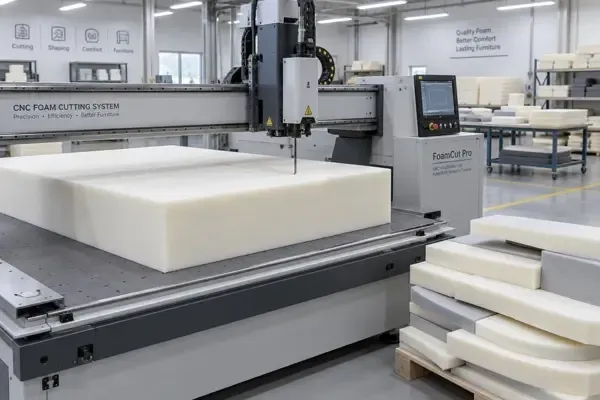
Many first-time furniture importers approve a great-looking sample using domestic Chinese foam and fabric, only to discover later that UK customs or a US marketplace requires BS 5852 or California TB 117-2013 compliance. Switching foam chemistry or adding a fire-retardant interliner changes both unit cost and compression rebound behavior — so compliance specs should always be locked at the sample stage.
Key Regional Requirements at a Glance
| Market | Core Flammability / Chemical Spec | What to Specify on Your PO |
|---|---|---|
| United States | CA TB 117-2013 (smolder test) + Prop 65 + CertiPUR-US spec | Smolder-resistant cover/foam + US law label |
| United Kingdom | BS 5852 (Crib 5 / Cigarette & Match) + UK permanent labels | FR-treated foam + FR interliner + UK swing/sewn labels |
| European Union | REACH SVHC screening + OEKO-TEX 100 spec textiles | Mill textile declarations + English/local care labels |
| Australia | Fumigation-free packaging + AU carton labelling | Kiln-dried/plywood or boneless foam build |
Working Honestly With Third-Party Testing Labs
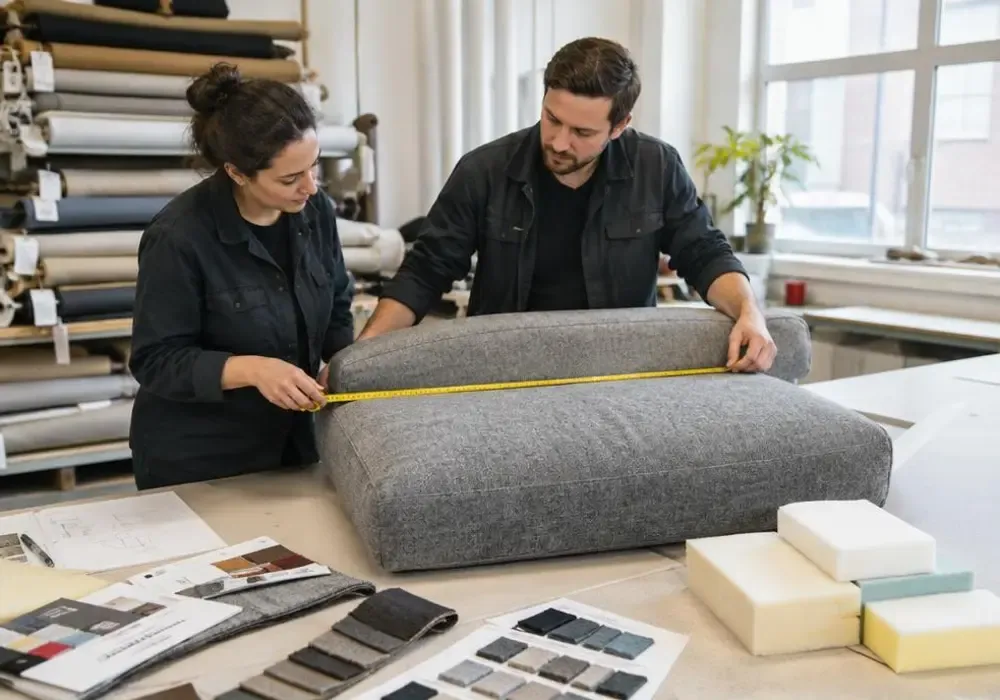
- Always verify that lab test reports match the exact fabric colour lot and foam density used in your production run — generic factory PDFs from unrelated materials do not protect importers during audits.
- For OEM volume runs, Kivmor sources compliant mill fabrics and foam grades and coordinates fresh third-party SGS / Intertek batch testing billed transparently at lab cost.
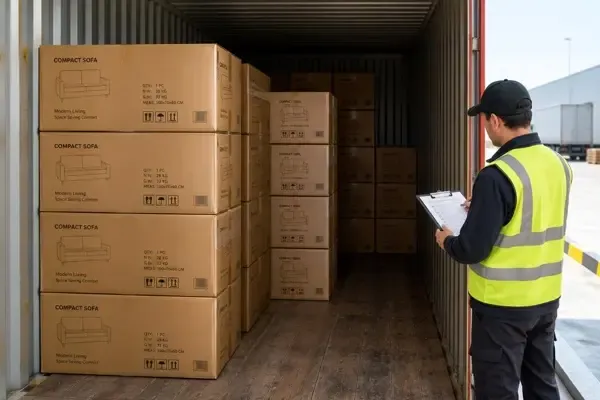
- Order UK permanent fire-safety sewn labels and US TB 117 law labels directly during production so cartons arrive retail-ready.
Need exact 40HQ loading figures or a 1-piece sample quote?